
Ducted refrigerated cooling vs split systems for Melbourne homes
Weighing up ducted aircon against split systems for a Melbourne home? This guide covers efficiency, zoning, install complexity, and lifetime value — no fluff.
Quick answer
For whole-home comfort across multiple rooms, ducted refrigerated cooling is hard to beat — especially in Melbourne’s hotter northern suburbs. For a single room or a targeted upgrade, a split system is simpler to install, cheaper to run on a per-room basis, and available in days rather than weeks. Most homes end up benefiting from one or the other based on their layout, lifestyle, and whether the install is a retrofit or new build.
What you’re actually choosing between
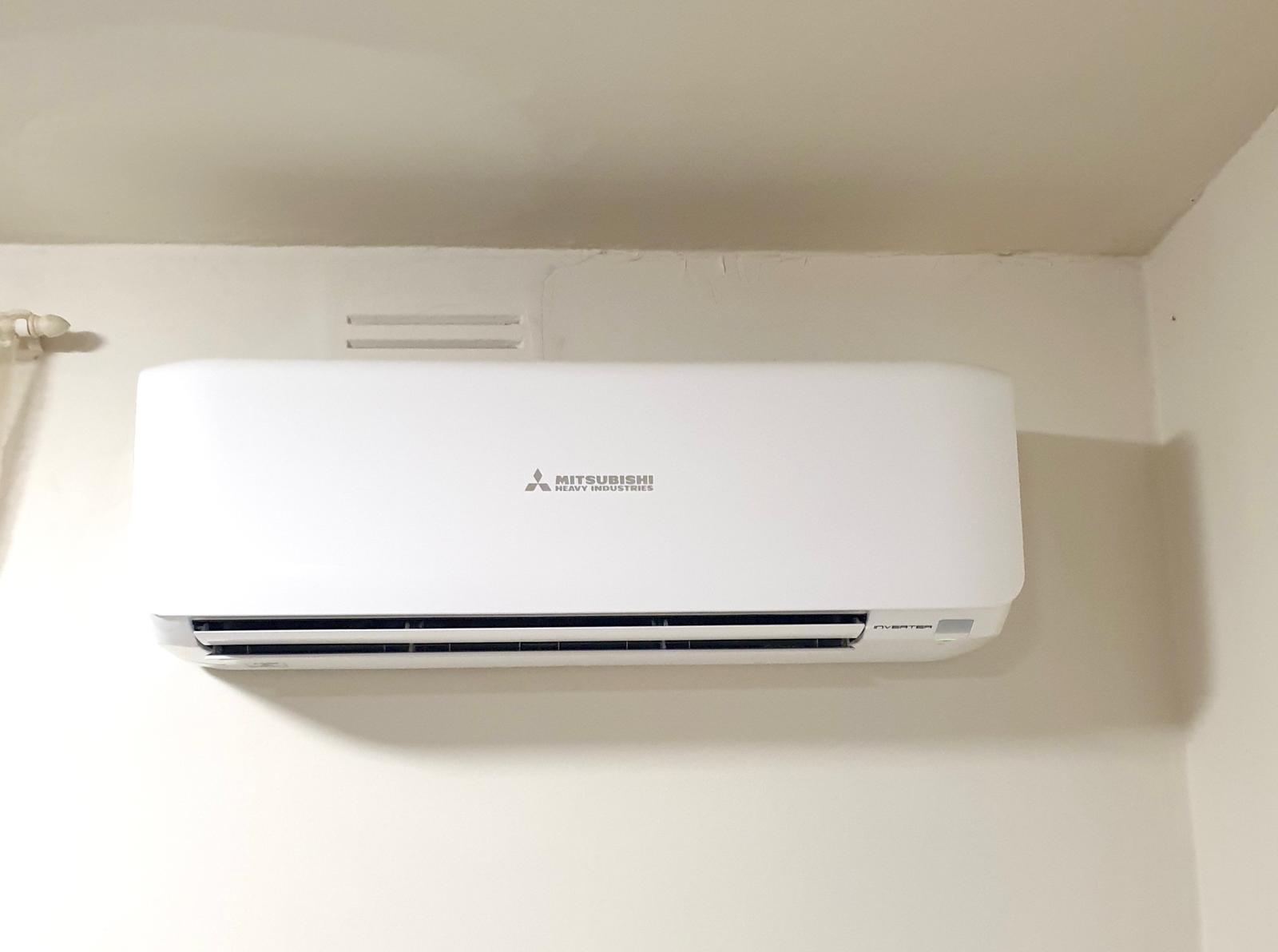
A split system is two units — an indoor head mounted high on a wall, an outdoor compressor on the ground or a bracket outside — connected by refrigerant lines and electrical cabling. It conditions one zone. Simple.
Ducted refrigerated cooling is a single large compressor outside, a fan-coil unit in the roof space, and a network of insulated ducts delivering conditioned air through ceiling outlets across the home. The whole system is invisible except for the ceiling outlets and a controller on the wall.
Both are refrigerated systems, which means they don’t just blow air around — they actively move heat. In Melbourne’s climate, that matters. A refrigerated system cools properly on a 40°C January day in Craigieburn or Thomastown. Evaporative cooling, for comparison, struggles on those days because it relies on low humidity to work, and Melbourne’s summer humidity can climb enough to blunt its effectiveness.
Energy efficiency: the real picture
The star rating on the unit tells part of the story. A higher star-rated system uses less electricity per unit of heating or cooling delivered. That much is straightforward.
What the star rating doesn’t tell you is how the system is used. A 7-star ducted system running all twelve outlets at once to cool a home where only three rooms are occupied will use considerably more electricity than a 5-star split system cooling just those three rooms. The inefficiency isn’t in the equipment — it’s in the mismatch between what’s being conditioned and what’s actually needed.
This is where zoning changes the equation.
Modern ducted systems can be divided into zones — groups of outlets that open or close independently. A well-designed zoned system lets you cool the living areas during the day and switch to the bedroom zone at night, without conditioning space you’re not using. Done properly, this brings the running profile of a ducted system much closer to what a split system achieves naturally.
The catch is that zoning adds to the complexity of the installation and the design. A ducted system without zoning is cheaper upfront but costs more to run if you’re disciplined about only using the rooms you need. Worth thinking through before you sign off on the design.
When ducted makes sense
Ducted refrigerated cooling earns its place in a home where you want consistent, whole-home comfort without wall units in every room. For families in larger homes across suburbs like Epping — where open-plan living flows into multiple bedrooms — a ducted system means one thermostat, one set of filters to service, and no wall-mounted units cluttering the aesthetic.
It’s also the stronger choice when:
- The home has a usable roof space that allows ductwork to run without too much compromise
- You’re building new, and ductwork can be planned before the ceiling is closed
- You’re conditioning four or more rooms regularly
- Resale value is a consideration and a fully ducted home is a selling point in your suburb
New-build installs are significantly cleaner. The ducting goes in while the roof space is accessible and the ceilings are open, which means no cutting, no patching, and no retrofitting around existing insulation. If you’re building in a northern growth corridor and your builder gives you the option to include ducted cooling in the build, it’s worth taking seriously.
When a split system is the smarter call
A split system wins on simplicity and flexibility. For a single room — a home office, a bedroom, a converted garage — it delivers refrigerated cooling and heating without touching the rest of the house. The install is typically a single day.
Split systems also suit homes where retrofitting ductwork would be difficult or disruptive. Older homes with shallow roof space, limited ceiling height, or slate roofs can make ducted installs genuinely awkward. In those cases, a well-placed split system in each main living area achieves similar comfort with far less invasive work.
Multi-head systems (one outdoor unit, multiple indoor heads) sit between the two options. They give you individual room control with a single compressor outside, which suits homes where you want the flexibility of splits but want to reduce the number of outdoor units. They’re worth considering for a home with three or four rooms that each need independent aircon.
The retrofit reality
Retrofitting ducted cooling into an established Melbourne home is more involved than most homeowners expect. The install team needs to access the roof space, run ducts to each outlet, cut ceiling penetrations, and connect the system electrically. In a home with good roof access and a straightforward layout, it’s manageable. In a double-storey home with a low-pitched roof or significant existing insulation, it gets harder.
This is not a reason to rule it out — it’s a reason to have the assessment done properly before committing. A residential aircon installation quote should include a roof space inspection, not just a measure-up from the living room floor.
Split systems, by contrast, are a known quantity to retrofit. The outdoor unit goes on a ground pad or a wall bracket, the indoor head mounts on an interior wall, and the refrigerant lines and electrical cable run through a small penetration in the wall. Tidy installs take a few hours. Licensing still applies: the refrigerant work requires an ARCtick licence and the electrical connection requires a licensed electrician. Under Energy Safe Victoria’s requirements, all fixed electrical installation work must be carried out by a licensed electrician, and a Certificate of Electrical Safety is issued at completion.
Lifetime value: what you’re actually buying
A well-installed, properly sized, regularly serviced split system can run reliably for twelve to fifteen years. A ducted system has a similar lifespan for the compressor and fan-coil unit, though the ductwork itself — if well-sealed and insulated from the start — can outlast the mechanical components.
The thing that shortens both is neglect. Blocked filters, dirty coils, and low refrigerant charge all force the compressor to work harder, which shortens its life and increases running load. A service every one to two years keeps the system running at its rated efficiency and catches small problems before they become expensive ones.
For residential installs in Melbourne’s outer northern suburbs, where summers are genuinely hot, the lifetime value of a reliable, properly designed cooling system is real. Buying the wrong system for the home — ducted in a small unit, a single split in a large family home — is where the value disappears. The decision is worth getting right at the start.
What to do next
Start by thinking about how you actually use your home: how many rooms need cooling, whether you’re home all day or just evenings, and whether this is a retrofit or a new build. If you’re leaning toward ducted, check whether your roof space has room to work with. If you’re leaning toward splits, think about where the outdoor unit would go and whether you want a single or multi-head setup.
If you’d rather a licensed sparky handle it, give Yiannis a call on 0434 254 474 or send a quick message for a free quote.
Sources
Common questions
Is ducted aircon more energy-efficient than a split system?
Not automatically. A well-sized ducted system with zoning can be efficient for large homes, but a split system heating or cooling only one room will almost always use less energy for that task. The honest answer depends on how many rooms you're conditioning and how often.
Can I add a split system to an existing ducted setup?
Yes, and it's a common approach. Many Melbourne homeowners run a ducted system through the main living areas and add a split system to a bedroom or home office that needs independent temperature control.
How long does it take to install ducted aircon in an existing Melbourne home?
A retrofit ducted installation in an established home typically takes two to four days, depending on roof space access, the number of outlets, and the home's layout. New-build installs are usually faster because the ductwork goes in before walls are closed.
Do I need a licence to install either system?
Yes. Both systems require a licensed electrician for the electrical connections. A split system or ducted unit that uses refrigerant also requires a technician holding an ARCtick licence — a federal licence for refrigerant handling. You cannot legally do this work yourself.
What size split system do I need for a Melbourne bedroom?
Sizing depends on the room's floor area, ceiling height, insulation, window orientation, and local climate. A room in Craigieburn or Epping will have different heating and cooling loads to one closer to the bay. An in-person assessment gives you a reliable answer; a rule-of-thumb figure is easy to get wrong.
Does ducted aircon add value to a Melbourne home?
Generally yes, particularly in northern growth suburbs where summers are hotter. A fully ducted system is a strong selling point. That said, the value depends on the age and condition of the system, so a serviced, well-maintained installation counts for more than an old unit with blocked filters.

The owner does your job
You'll get Yiannis — not a subcontractor.
Book Thunderman and the licensed electrician who quotes your job is the one who does it — and stands behind it afterwards. REC 28523, ARCtick certified, fully insured, rated 4.9★ across 53 Google reviews.
More from the Journal

Got a follow-up question? Just call.
Free quotes across Greater Melbourne — Yiannis answers personally.