
Pre-summer aircon service: what a quick check actually covers
What a licensed sparky looks at before summer, which parts of an aircon service you are allowed to do yourself, and the point where an older unit stops being worth the visit.
Quick answer
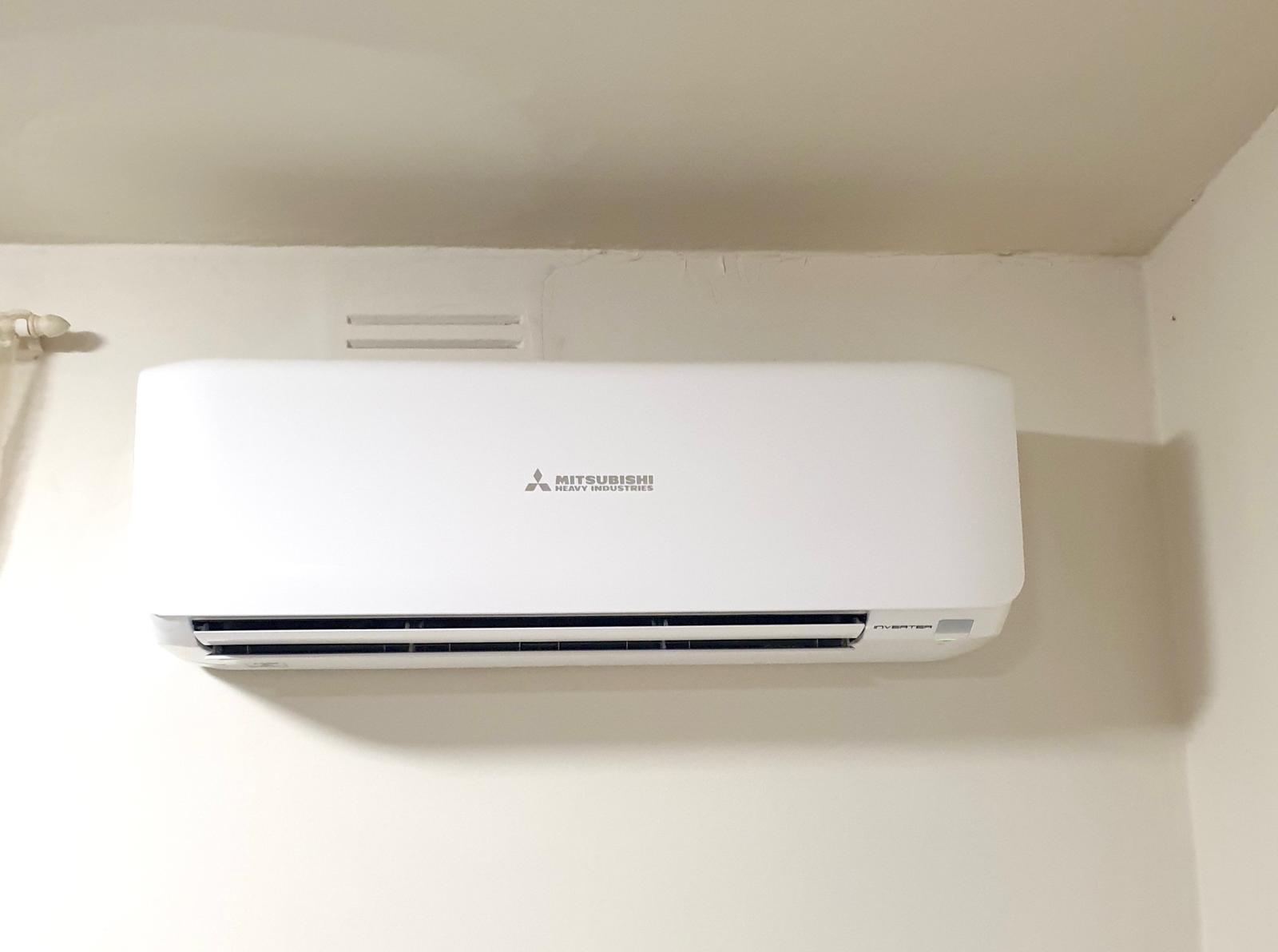
A pre-summer aircon check covers the filters, the drain, the outdoor unit and its clearance, the electrical connection at the switchboard, and how the system behaves once it is running. Filters and clearance are householder jobs. Anything involving refrigerant needs an ARCtick licence, and the electrical side needs a licensed electrician.
Why spring is the sensible time
Melbourne does not ease into summer. The pattern most years is a mild October, then a run of days in the mid-thirties that arrives with two days’ notice. That is the week every air conditioner in the northern suburbs gets switched on for the first time since autumn, and it is also the week that every sparky and refrigeration tech is booked out.
A unit that has sat idle for six months has had spiders, leaves and dust settling into it that whole time. None of that is dramatic. It just means the first hot day is a poor moment to discover that the drain is blocked or the outdoor fan is labouring.
So the honest reason to look at it now is not that something is probably wrong. It is that if something is wrong, you would rather know in September.
What is actually on the list
A check on a domestic split system is less mysterious than it sounds. It comes down to five things.
The filters and the indoor coil. Return-air filters catch the dust before it reaches the coil behind them. When they clog, airflow drops, the room takes longer to cool, and the unit works harder for the same result. Clogged filters are also where most musty start-up smells come from.
The drain. An indoor unit pulls moisture out of the air and it has to go somewhere. A blocked or badly fallen drain line is the reason for the classic complaint of water marks appearing on the wall under the unit in January.
The outdoor unit and its clearance. The condenser needs to throw heat away, which means it needs air around it. Over a winter it is common to find a shrub grown across the side of it, a bin parked in front, or a build-up of leaves in the base. Clearing that space costs nothing and makes a measurable difference to how hard the unit has to run.
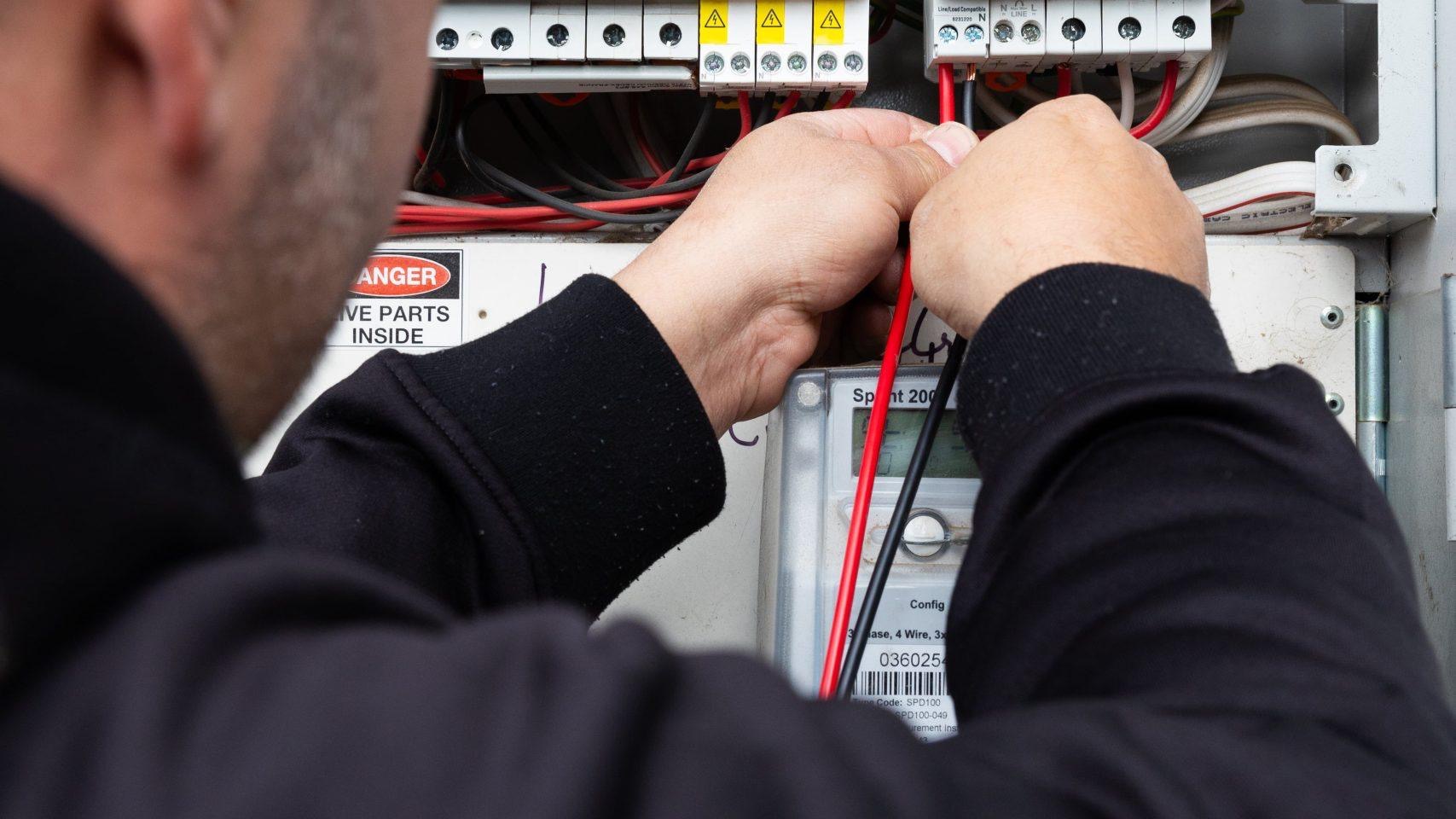
The electrical side. This is the part homeowners rarely think about and the part that matters most to a sparky. An air conditioner is a significant load on a circuit, and it is often the largest single thing added to a house since the switchboard was built. Energy Safe Victoria is direct about old domestic wiring being a real fire risk when it has degraded or is asked to carry more than it was installed for. The things worth checking are the dedicated circuit, the isolator near the outdoor unit, safety switch coverage, and whether the board shows any sign of heat.
How it actually performs. Running the system and watching it is not padding. A unit that cools, but takes far longer than it used to, or cycles oddly, or trips the safety switch after twenty minutes, is telling you something a visual inspection will not.
If the switchboard side turns up something, that becomes an electrical job rather than a cooling one, and it is worth sorting before summer load arrives.
What you are allowed to do, and where the line sits
Two of those five are householder maintenance, and you are better off doing them yourself than paying someone to.
Sliding the filter cover open, taking the filters out, rinsing them under the tap, letting them dry properly and putting them back is in the manual for a reason. Do it every few weeks through the cooling season. Clearing plants, bins and leaf litter away from the outdoor unit is the same category: no tools, no risk, real benefit.
The line sits at the casing. Anything that involves refrigerant is licensed work under the federal ARCtick scheme, which exists because refrigerants are a genuine environmental and safety matter and because a bad connection vents the lot. Anything involving the wiring, the isolator or the switchboard is electrical work and belongs to a Registered Electrical Contractor under AS/NZS 3000. Neither of those is a case of tradespeople protecting their patch. They are two separate federal and state regimes that happen to meet inside the same appliance.
Worth knowing when you are ringing around: a refrigeration licence and an electrical registration are not the same document, and plenty of aircon work needs both. You can check any electrician’s registration yourself on the Energy Safe Victoria public register. Yiannis holds REC 28523.
When an older unit is past it
This is the conversation nobody enjoys, so here is the plain version.
There are two kinds of fault on an ageing system. The first is wear that a service resolves: a fouled coil, a tired capacitor, a drain that needs clearing, a contactor that has seen better days. Those are worth doing, and the unit will usually give you several more seasons afterwards.
The second is the compressor or a refrigerant leak in a sealed section. On a unit well into its second decade, that is often the end of a sensible repair path, particularly where the original refrigerant is now difficult to source. Sinking money into that system is not a favour to anyone.
What matters is that somebody tells you which of the two you have before the work starts, not after. Around Craigieburn and through Coburg, the split is roughly along house age: the newer estates are mostly in the first category, and the older places with a unit that came with the previous owners are where the harder conversation tends to happen.
Nobody can give you a fair figure on any of this without seeing the install, the access and the age of the equipment. That is why the answer to “how much” is a free quote rather than a number over the phone.
What to do next
Rinse the filters this weekend. Walk around the outdoor unit and give it half a metre of clear air on every side. Run the system for twenty minutes on cooling and listen to it.
If it smells, drips, trips the safety switch, or simply does not cool the way it used to, book it in now rather than in January. And if the switchboard looks its age while someone is there, get that looked at in the same visit.
If you’d rather a licensed sparky handle it, give Yiannis a call on 0434 254 474 or send a quick message for a free quote.
Sources
- ARCtick — why refrigerant handling is licensed
- Energy Safe Victoria — household wiring and safety switches
- AS/NZS 3000:2018 — Wiring Rules
Common questions
When should I book an aircon service in Melbourne?
Spring, before the first run of hot days. Everyone rings on the same 38-degree afternoon in January, and that is the week nobody has a spare hour. A unit that has sat idle since March gets a calmer look in September or October.
Can I clean the filters on my split system myself?
Yes. Sliding out the return-air filters and rinsing them is householder maintenance, and most manuals ask you to do it every few weeks in the cooling season. Anything past the filter cover is a job for a licensed tradesperson.
Does an aircon service need a licensed person?
The parts that touch refrigerant do. Under the federal ARCtick scheme, handling refrigerant requires a licence, and the electrical side of an installation sits with a Registered Electrical Contractor. Yiannis holds REC 28523.
My split system smells musty when it starts up. Is that a fault?
Usually it is a dirty filter or a blocked drain leaving moisture sitting in the indoor unit. Start with the filters. If the smell stays after a clean, or you see water marks under the unit, get it looked at before summer rather than during it.
Is it worth servicing a fifteen-year-old air conditioner?
Sometimes, and sometimes not. It depends on whether the fault is a clean-and-adjust or a failing compressor, and on whether the unit still uses a refrigerant that is easy to obtain. Yiannis will tell you honestly which of the two you are looking at before any work starts.

The owner does your job
You'll get Yiannis — not a subcontractor.
Book Thunderman and the licensed electrician who quotes your job is the one who does it — and stands behind it afterwards. REC 28523, ARCtick certified, fully insured, rated 4.9★ across 53 Google reviews.
More from the Journal
Got a follow-up question? Just call.
Free quotes across Greater Melbourne — Yiannis answers personally.